TOPCon vs Bifacial Solar Panels: Which Option Is Truly the Best?
Solar technology is evolving faster than ever. When choosing panels for a home or a large solar plant, two advanced options dominate the conversation — Bifacial and TOPCon. Both leave traditional panels far behind, but which one is right for you?
The Two Technologies, Side by Side
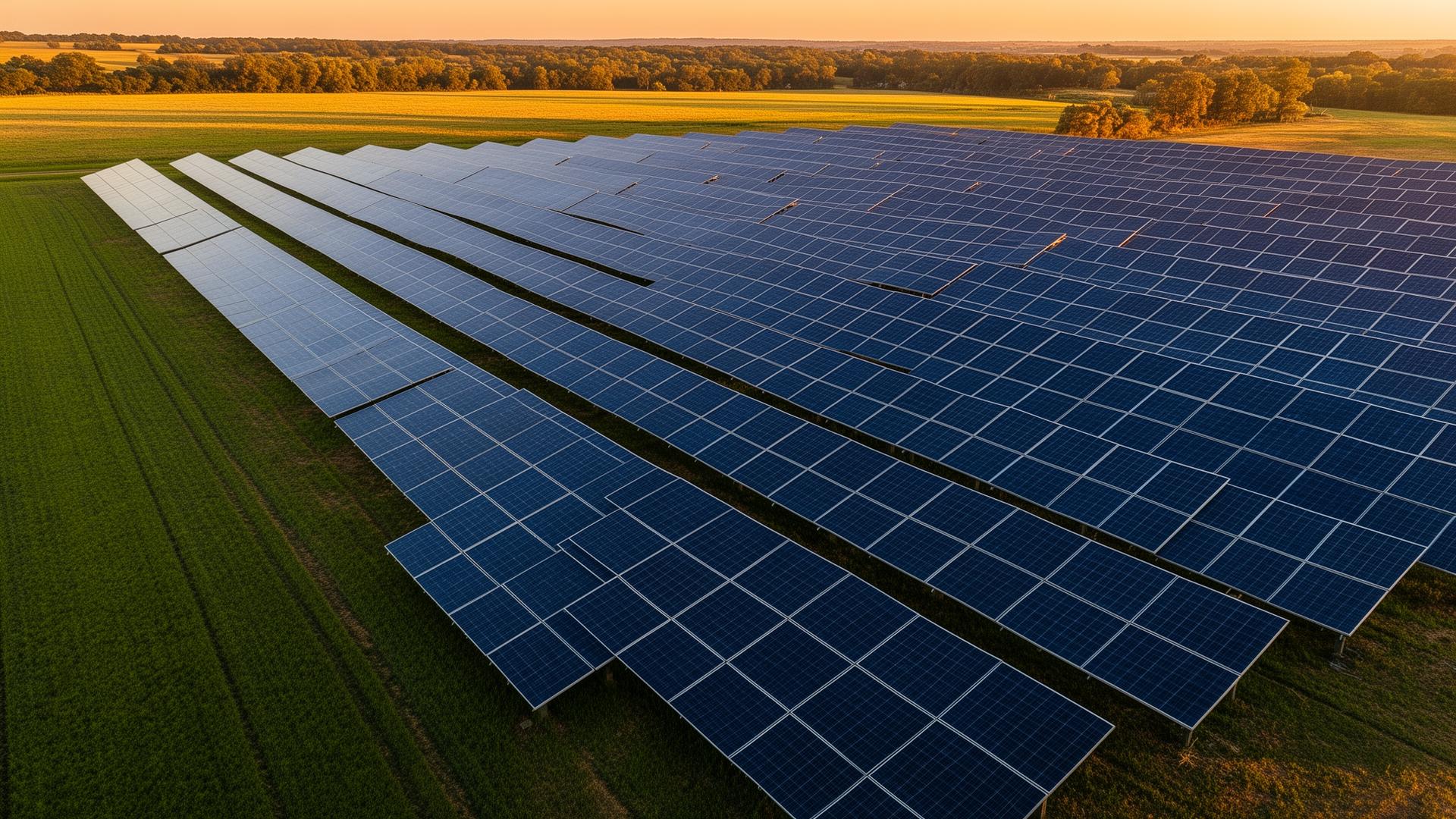
In truth, Bifacial and TOPCon are not opposing technologies. Many panels on the market today actually combine TOPCon cells with a bifacial design. But if you have to choose between the two on a single attribute, the right answer depends on where and how you plan to install them.
Bifacial Panels: Power From Both Sides
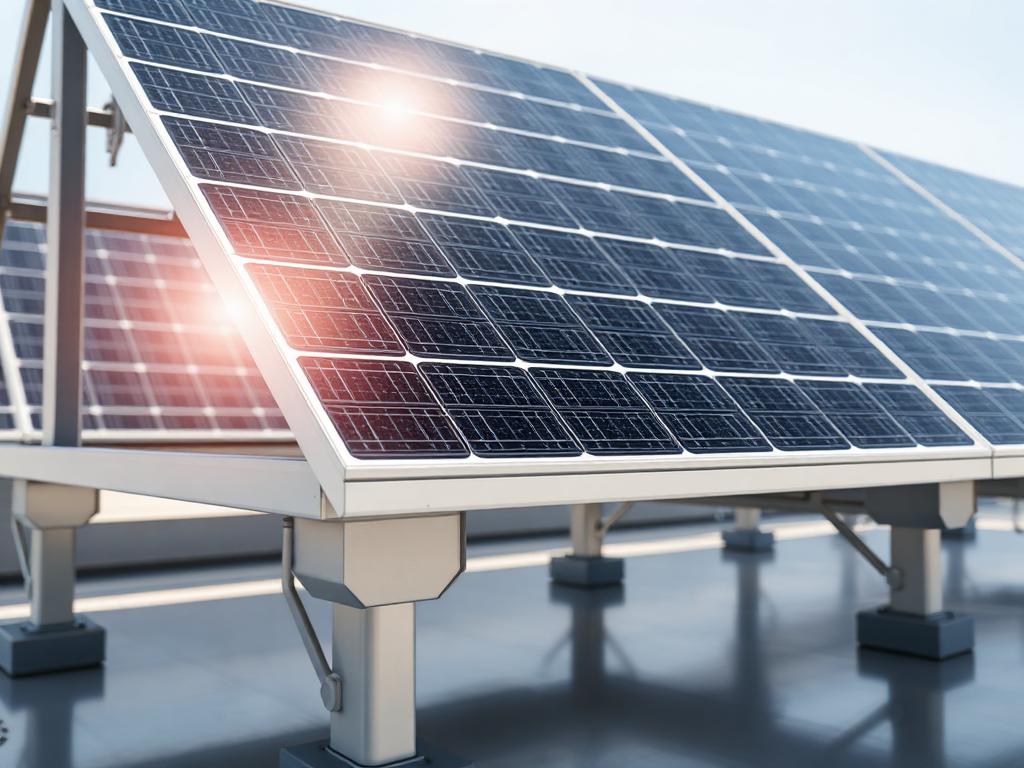
The defining feature of a bifacial panel is that it generates electricity from both its front and back surfaces. While the front faces the sun directly, the back captures sunlight reflected off the ground, a rooftop, or sand below — a phenomenon known as the albedo effect.
How it works
The front absorbs direct sunlight. The rear absorbs reflected light bouncing off the surface beneath the panel. Light-coloured surfaces — concrete, white gravel, sand — reflect more, boosting rear-side generation significantly.
Key advantage
Bifacial panels can deliver 20% to 30% more energy than conventional panels, especially when installed above reflective surfaces.
Best for
Ground-mounted systems, open terraces, and large commercial projects or solar farms where panels sit on elevated structures with reflective ground below.
TOPCon Panels: A New Era of High Efficiency
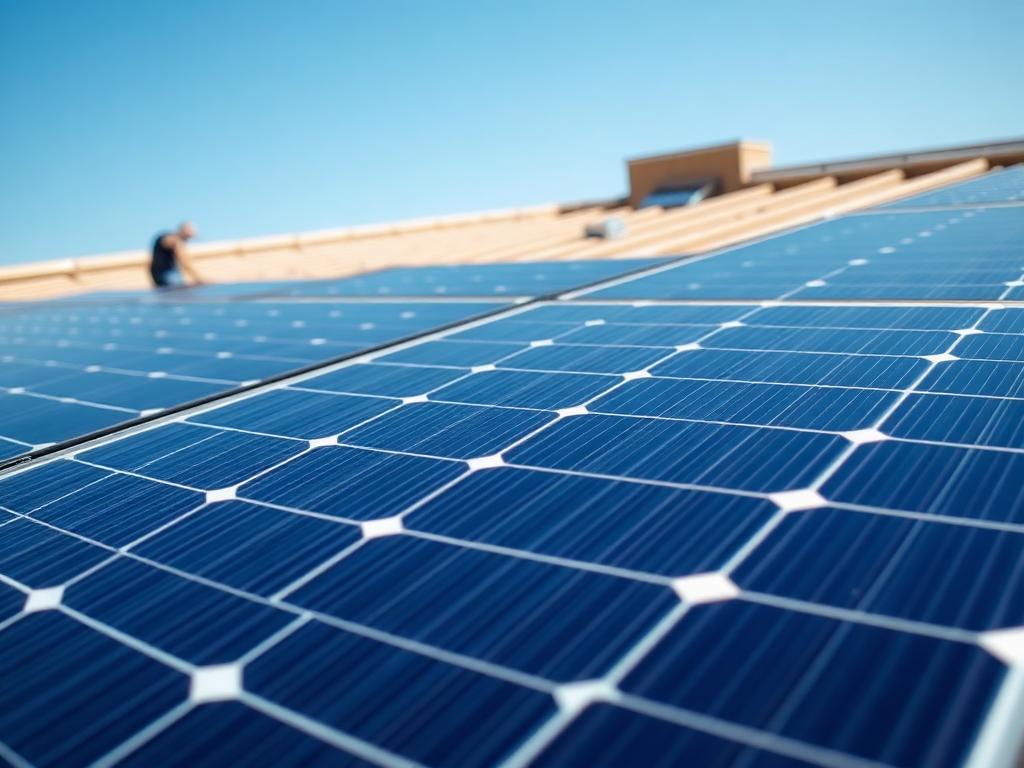
TOPCon stands for Tunnel Oxide Passivated Contact — a cell-level technology that improves how a panel converts light into electricity. An ultra-thin oxide layer inside the cell prevents electron loss, raising overall efficiency.
How it works
A special ultra-thin oxide layer inside each cell helps convert more sunlight into usable electricity by reducing recombination losses at the contact interface.
Key advantage
TOPCon panels achieve efficiencies of 22% or higher, perform well in hot climates, and continue producing power in low-light or cloudy conditions — clearly outperforming conventional panels.
Best for
Rooftops and limited-area installations where you need maximum power from a small footprint. Their high per-square-meter output makes them ideal for urban homes.
So, Which One Should You Choose?
The honest answer: it depends on your space and how the panels will be installed.
Space is limited
You have a small rooftop or restricted area and need the maximum power output per square meter. TOPCon's higher per-panel efficiency wins.
You have open ground
Ground-mounted setups or elevated structures where light reflects from below make bifacial panels the more profitable long-term investment.
The future is hybrid
Both technologies are pushing the industry toward net-zero electricity bills. Increasingly, manufacturers are merging them — TOPCon cells inside bifacial modules — to deliver the best of both worlds.
Quick Comparison
| Feature | Bifacial | TOPCon |
|---|---|---|
| Generation surface | Front + Back | Front only |
| Efficiency | Up to 30% extra via albedo | 22%+ at cell level |
| Ideal site | Open ground, solar farms | Rooftops, tight spaces |
| Low-light performance | Good | Excellent |